编辑:时间:2026-07-09 08:44:53 浏览次数:
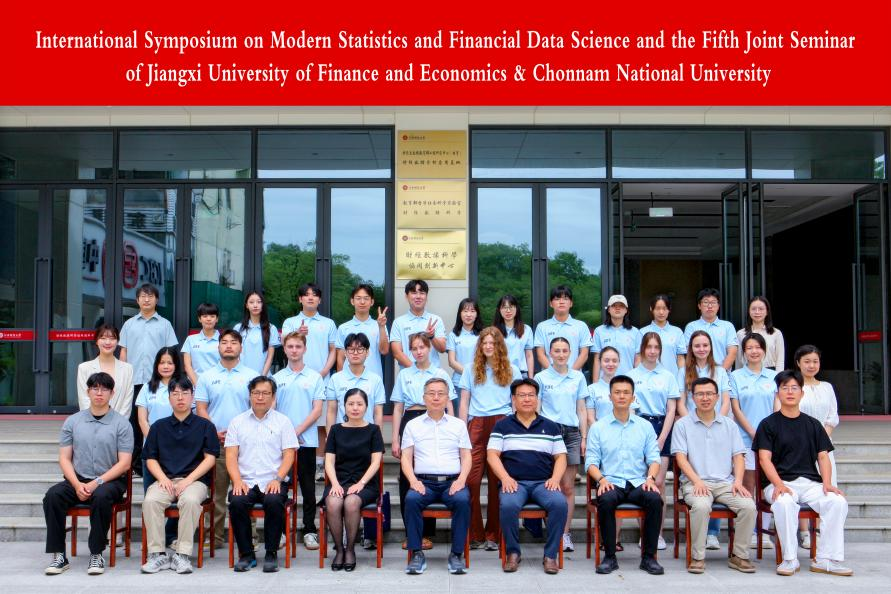
On July 7, the International Symposium on Modern Statistics and Financial Data Science and the Fifth Joint Seminar of Jiangxi University of Finance and Economics & Chonnam National University was successfully held in Nanchang, Jiangxi Province. Hosted by Jiangxi University of Finance and Economics, the symposium was undertaken by the School of Statistics and Data Science, and co‑sponsored by CNUG‑LAMP, the Big Data Research Center, and Brain Korea 21 FOUR. Centering on cutting‑edge research fields including modern statistical theory, financial data science, machine learning, environmental‑health statistics and econometrics, the event brought together experts and scholars from multiple universities such as Jiangxi University of Finance and Economics, Chonnam National University, Victoria University of Wellington and Wenzhou Medical University to deliver thematic reports.
The opening ceremony featured speeches delivered successively by Dean Guo Lu from the School of Statistics and Data Science, Jiangxi University of Finance and Economics, and Professor Jaesik Jeong from Chonnam National University, Republic of Korea.
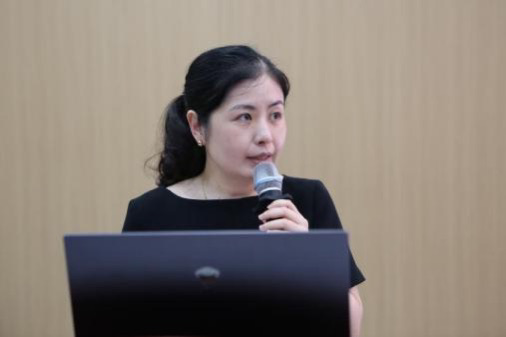
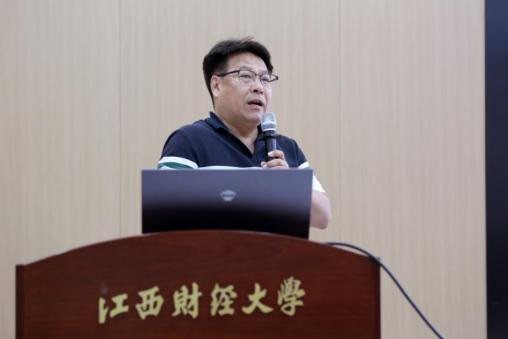
Following the opening ceremony, the conference proceeded to the thematic report session, which was chaired by Vice‑Dean Zhang Hua from the School of Statistics and Data Science, Jiangxi University of Finance and Economics.
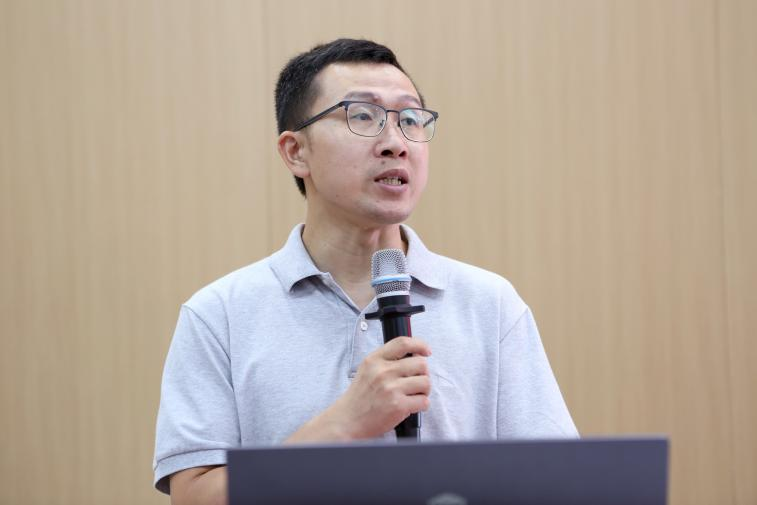
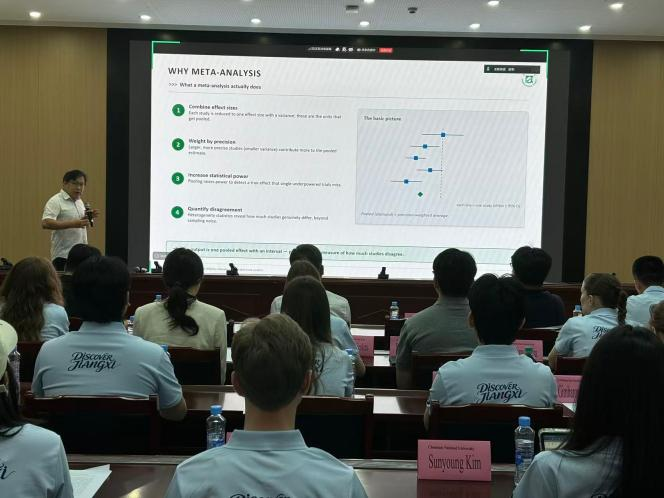
Professor Sanghoo Yoon from Chonnam National University, Republic of Korea, delivered a presentation entitled Function‑Based Standardisation for Agro‑healing Outcomes. His report focused on the interpretive challenges arising from outcome scale heterogeneity in meta‑analyses of psychological and health interventions. He proposed a function‑transformation‑based standardisation framework to enable integrated comparison of disparate research findings under a unified reference scale. Through simulation analyses and a systematic review case study of agro‑healing interventions for depression, the research demonstrated that this approach can enhance the clinical interpretability of research conclusions while preserving statistical efficiency, offering new methodological support for evidence‑based evaluation of heterogeneous health outcomes.
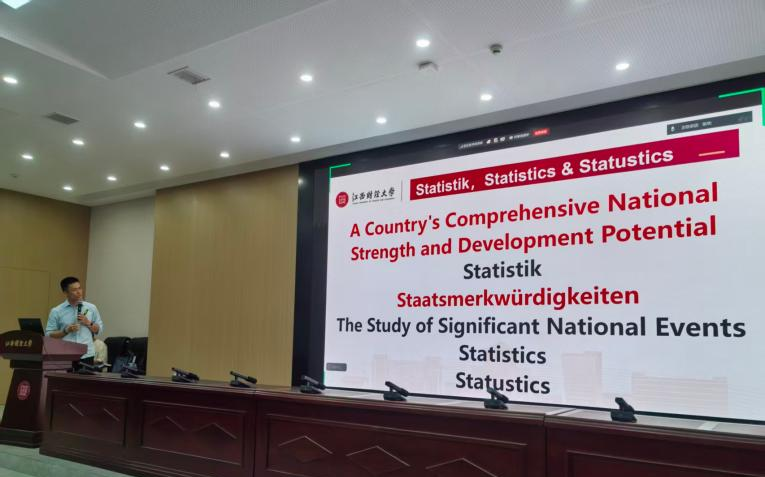
Professor Feng Lingbing from Jiangxi University of Finance and Economics delivered a presentation entitled Quantifying the State of Nations: An Introduction to the Contemporary Chinese Statistics and its Data Research Platform. The presentation introduced the theoretical foundation of contemporary Chinese “National Statecraft” and the development of its data research platform. Centering on the quantitative assessment of national development status, it proposed constructing a unified data‑analysis system by integrating multi‑dimensional data covering macro‑economy, regional development, industrial upgrading and demographic structure, so as to provide data support for research on China’s development momentum and socio‑economic transformation.
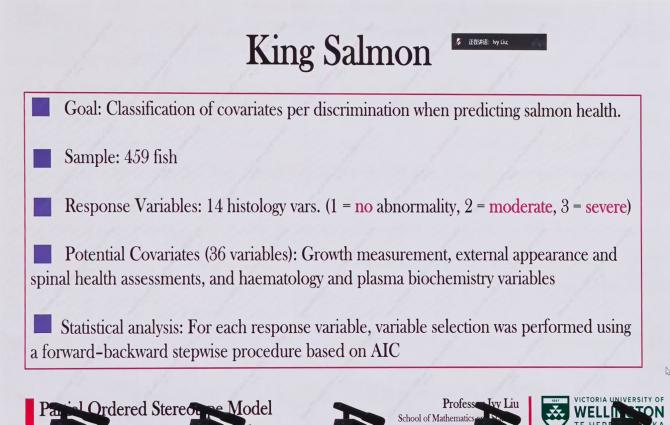
Subsequently, Professor Evy Liu from Victoria University of Wellington delivered an online presentation entitled Partial Ordered Stereotype Model and the Application in Aquaculture. The presentation introduced statistical modelling methods for ordinal response variables. Capable of characterising differences across different ordinal categories as well as the discriminative power of covariates, the model demonstrated its application value in complex ordinal data analysis with aquaculture‑related data.
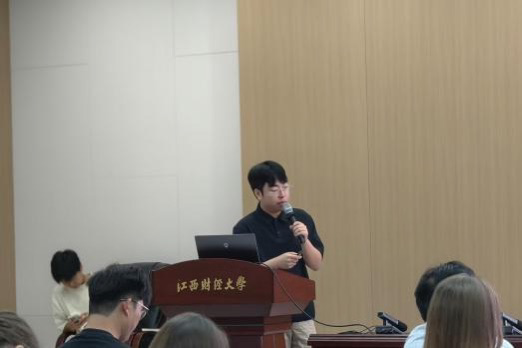
After a short intermission, focusing on the interdisciplinary field of statistical learning and medical imaging, Professor Hyunglip Bae from Chonnam National University presented Enhancing Stochastic Optimization Algorithms through the Application of Deep Learning Models. He illustrated the development prospects of decision‑focused learning for complex optimization problems. Professor Yuan Ye from Wenzhou Medical University delivered a presentation entitled Machine learning‑based differentiation of benign and malignant adrenal lesions using 18F‑FDG PET/CT: a two‑stage classification and SHAP interpretation study. He stated that ensemble models combined with the SHAP interpretation method improved diagnostic accuracy and clinical transparency.
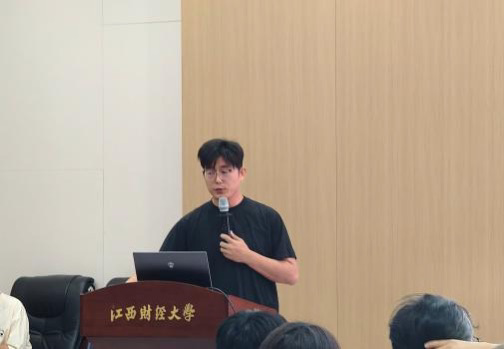
The afternoon session proceeded, which was chaired by Professor Yuan Ye from Wenzhou Medical University. Environmental statistics and data mining constituted another important topic of the conference. First, Bugeon Lee from Chonnam National University, Republic of Korea, analysed the spatial heterogeneity of extreme PM2.5 concentrations in the Seoul Metropolitan Area based on the r‑max extreme‑value model, providing quantitative evidence for regional air‑quality governance. Bokyung Oh combined the BERT pre‑trained language model with air‑quality data to investigate how fine‑particulate‑matter levels affect sentiment in air‑purifier reviews and consumer behaviour.
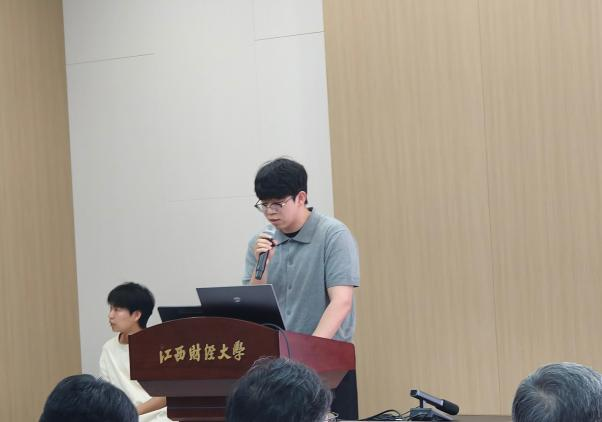
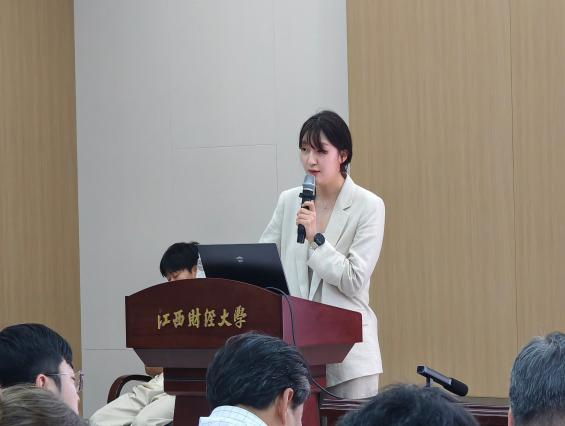
In terms of financial econometrics and statistical inference, Sunyoung Kim, Jihui Yeom and Yunbu Cong from Chonnam National University, Republic of Korea, presented a novel permutation‑based symmetry test method. Xinyi Wei from Jiangxi University of Finance and Economics revisited the bond return cross‑section hypothesis based on predictive quantile regression. Anna Li proposed the wild bootstrap IVX change‑point test to address the issue of parameter instability in predictive regressions.
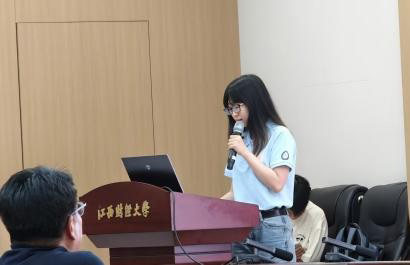
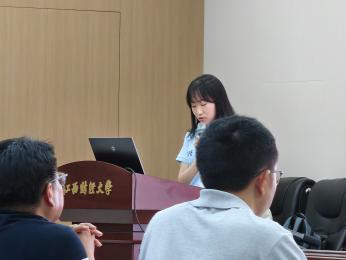
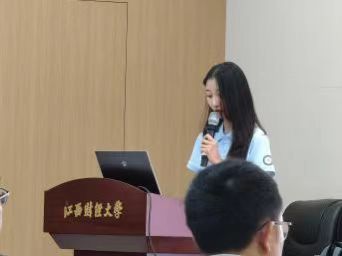
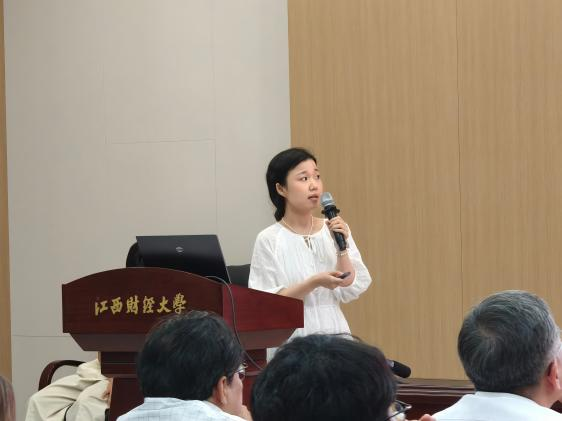
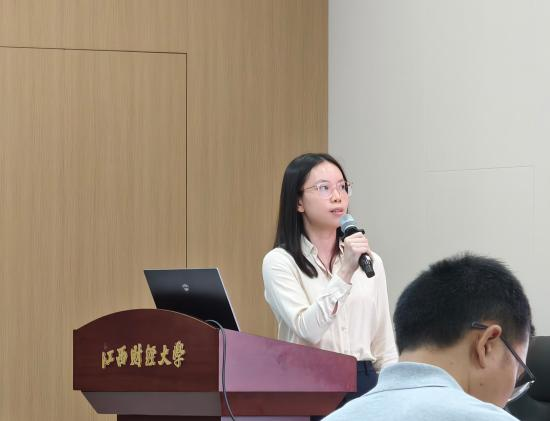
At the conclusion of the conference, participating experts and scholars held in‑depth exchanges and discussions centering on the presented reports. They engaged in active interactions on topics including statistical model construction, data‑platform development, machine‑learning method applications, financial‑econometric inference, and environmental‑health data analysis, and put forward insightful comments and suggestions drawing on their respective research fields. The event featured a vibrant academic atmosphere. Discussions focused not only on theoretical and methodological innovations but also on their practical application value in economic and social development, medical diagnosis, environmental governance and industrial practices. This symposium built a high‑level platform for academic exchanges between Chinese and foreign scholars. It further deepened cooperation between Jiangxi University of Finance and Economics and Chonnam National University in fields such as statistics, data science and financial econometrics, and carries positive implications for advancing the School’s discipline development, research collaboration and internationalization.
(Photos and Text / Pang Qiyue;
Editor / Zhou Mengyi; Reviewers / Tan Yuhua, Zhang Hua, Guo Lu)